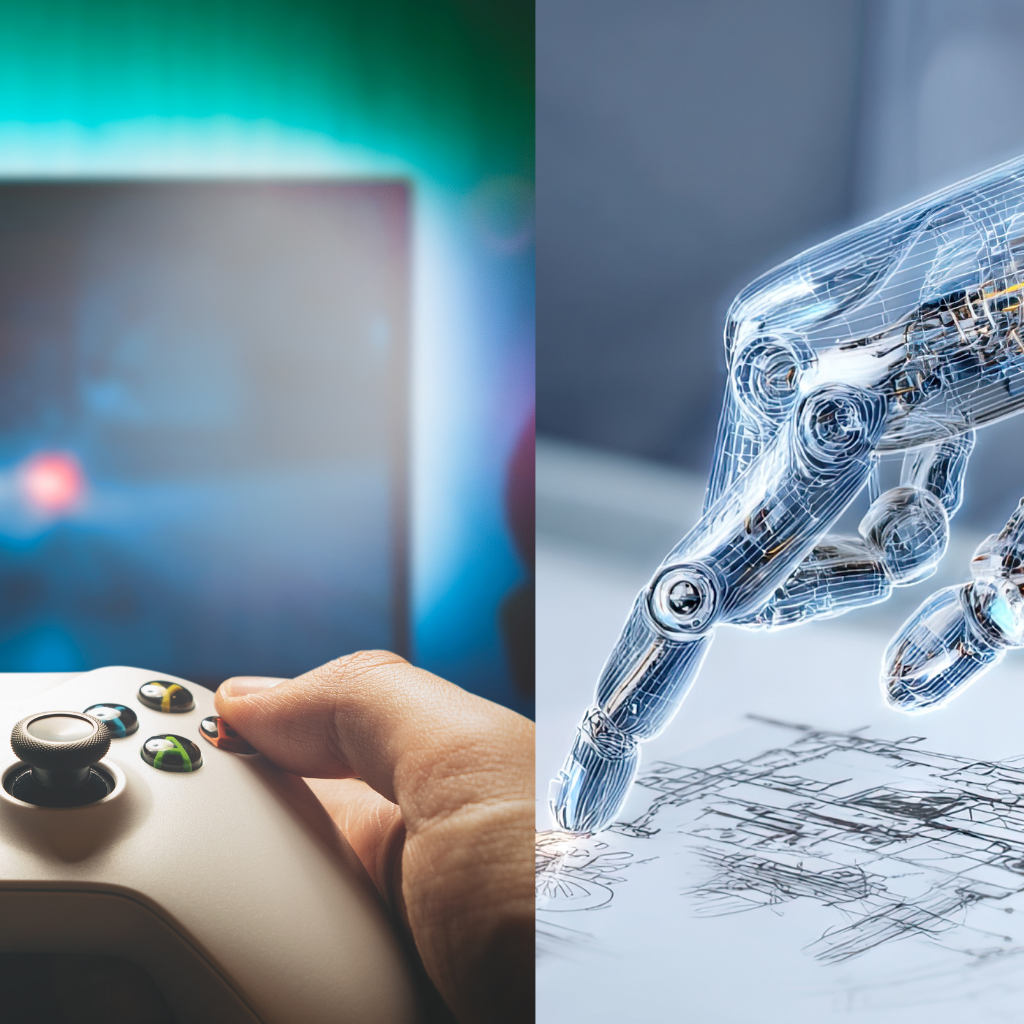
Artificial Intelligence (AI) is not just a buzzword anymore—it's a transformative force that is rapidly changing how software is developed. From automating routine tasks to enhancing coding efficiency and even writing code, AI is revolutionizing the way developers create software. As we move into 2025, the role of AI in software development will only continue to grow, offering a host of benefits from increasing productivity to improving the quality of code.
1. Automating Routine Development Tasks
One of the most significant ways AI is transforming software development is through the automation of routine tasks. Traditionally, developers spent a large portion of their time on repetitive and mundane tasks, such as writing boilerplate code, debugging, and performing unit tests. However, with AI-powered tools, these tasks are becoming automated, allowing developers to focus on more complex and creative aspects of their work.
Automated Code Generation: AI tools like GitHub Copilot and Tabnine are helping developers by suggesting code snippets and even completing entire functions. By learning from millions of code examples, these tools offer suggestions that can save time and improve code quality. As AI continues to improve, it's expected that these tools will become even more adept at generating highly efficient and customized code based on a developer's style and project requirements.
Automated Bug Detection and Debugging: AI-powered code analysis tools like DeepCode and CodeGuru can scan codebases to detect bugs and vulnerabilities before they become a problem. By using machine learning algorithms, these tools not only spot simple bugs but can also predict more complex issues, allowing developers to fix them early in the development process. This not only improves the quality of the software but also reduces the time spent debugging.
2. AI-Assisted Testing and Quality Assurance
Testing and quality assurance (QA) are integral parts of the software development lifecycle, but they are often time-consuming. AI is stepping in to help automate testing, ensuring that software is thoroughly tested while significantly reducing the manual effort required.
Automated Test Case Generation: AI can analyze code to automatically generate test cases that cover a wide range of scenarios. This ensures that the software is tested for edge cases and reduces the risk of bugs in production. AI testing tools like Testim and Mabl are already making strides in this area, enabling developers to focus on more critical aspects of the testing process.
Predictive Testing: One of the most promising applications of AI in QA is predictive testing. By analyzing historical test data, AI can predict which areas of a codebase are most likely to fail and prioritize testing accordingly. This proactive approach helps teams focus their efforts where it matters most, reducing the overall testing time and improving the reliability of the software.
3. Enhancing Code Reviews and Collaboration
Code reviews are an essential part of the software development process, but they can be time-consuming and subjective. AI is helping to streamline this process by offering more objective and automated ways to review code.
AI-Powered Code Review: Tools like CodeClimate and SonarQube use AI to analyze code during the review process, looking for issues such as code duplication, inefficient algorithms, and adherence to best practices. These tools can highlight problematic areas of the code and suggest improvements, making the code review process faster and more efficient.
Enhanced Collaboration: AI is also improving collaboration among developers, especially in distributed teams. AI-powered platforms can analyze communication patterns within development teams and recommend the best ways to structure meetings, allocate tasks, and share knowledge. These tools make it easier for teams to collaborate and stay on track, no matter where they are located.
4. Leveraging AI for Enhanced User Experience
Beyond the development of the software itself, AI is also having a profound impact on how users experience applications. AI is being integrated into applications to provide smarter, more personalized experiences, and developers are leveraging this to build more intuitive software.
Personalization Algorithms: AI enables software to learn from user behavior and provide personalized content or recommendations. For example, e-commerce websites use AI to recommend products based on users' browsing history, while music streaming services like Spotify use AI to create personalized playlists. As AI algorithms continue to improve, software will become increasingly adept at providing tailored experiences for users, enhancing satisfaction and engagement.
Natural Language Processing (NLP): AI-powered NLP technologies are helping developers create software that understands and processes human language more effectively. Tools like chatbots and virtual assistants are becoming smarter, thanks to AI, enabling them to handle more complex user queries and provide real-time support. This is particularly valuable in customer service applications, where AI can significantly reduce response times and improve the overall user experience.
5. AI in DevOps: Streamlining Software Delivery
DevOps, the practice of combining software development and IT operations, is critical for achieving fast and efficient software delivery. AI is enhancing the DevOps pipeline by automating various stages, from coding to deployment.
AI-Powered Continuous Integration/Continuous Deployment (CI/CD): AI is being integrated into CI/CD tools to improve the speed and reliability of software delivery. AI can automatically detect issues in the pipeline, optimize testing processes, and suggest improvements to deployment strategies. This not only reduces human intervention but also ensures a faster, more reliable software delivery process.
Automated Monitoring and Incident Management: AI is also helping DevOps teams by providing real-time insights into application performance. AI-powered monitoring tools can detect anomalies, predict potential issues, and even recommend fixes. These capabilities allow teams to address problems before they impact users, ensuring a smoother and more efficient deployment process.
6. The Future of AI in Software Development
As we look to the future, AI's role in software development will continue to evolve. We can expect to see more advanced AI tools that can handle increasingly complex development tasks. AI may eventually be able to autonomously build entire applications, from the initial design to deployment, freeing developers to focus on more strategic, high-level tasks.
Additionally, AI will continue to enhance the collaboration between developers, designers, and other stakeholders. By providing insights into user behavior, market trends, and project performance, AI will enable teams to make more informed decisions and create software that meets user needs more effectively.
Conclusion
AI is no longer a distant innovation—it's here, and it's transforming the software development process. From automating routine tasks and enhancing testing processes to improving collaboration and creating smarter user experiences, AI is revolutionizing every stage of the software development lifecycle. As these technologies continue to evolve, developers who embrace AI tools will be better positioned to build high-quality software faster and more efficiently. The future of software development is undoubtedly AI-driven, and those who adapt to this change will stay ahead of the curve.